Frequently Asked Questions
FAQ 1: What is sports performance training, and how does it help youth athletes?
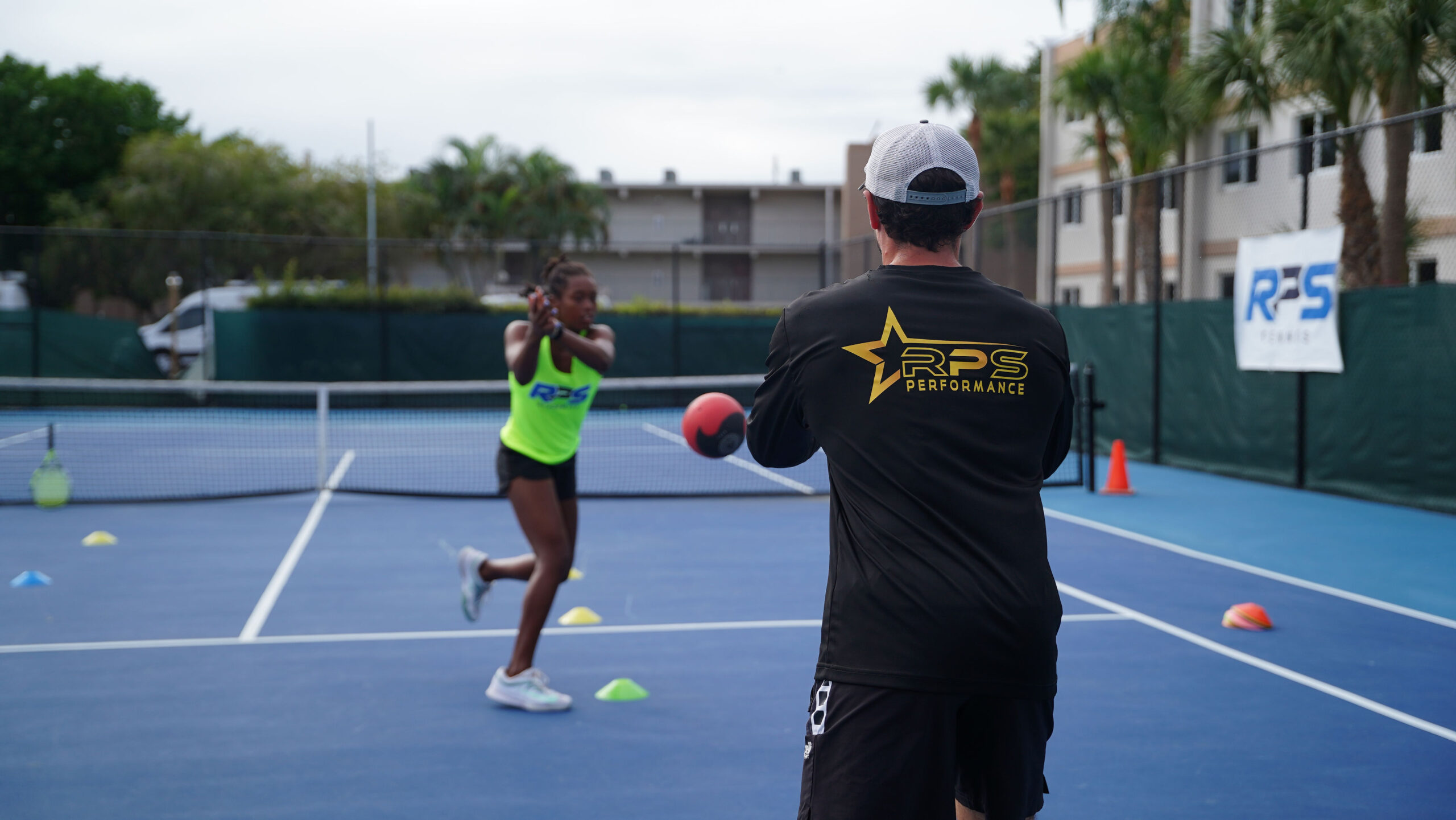
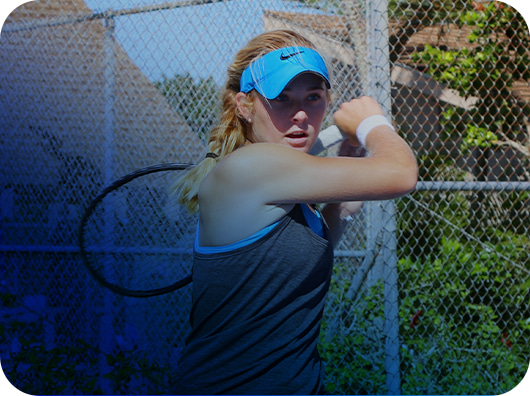
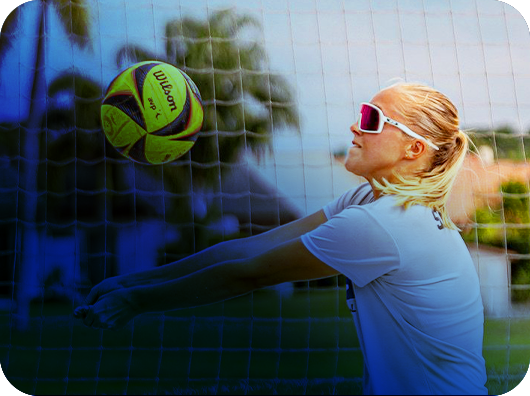
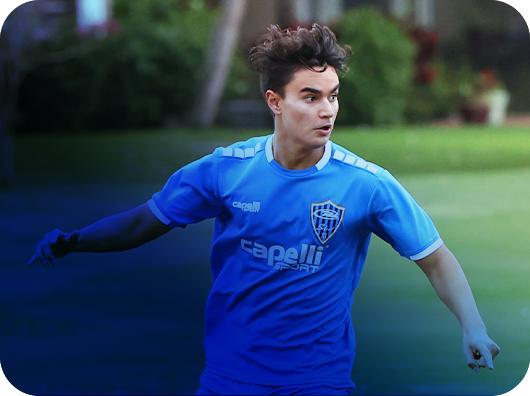
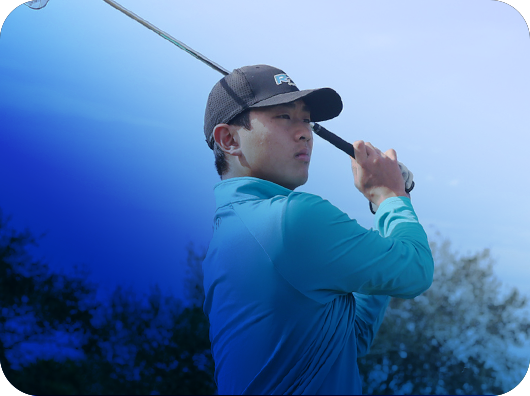
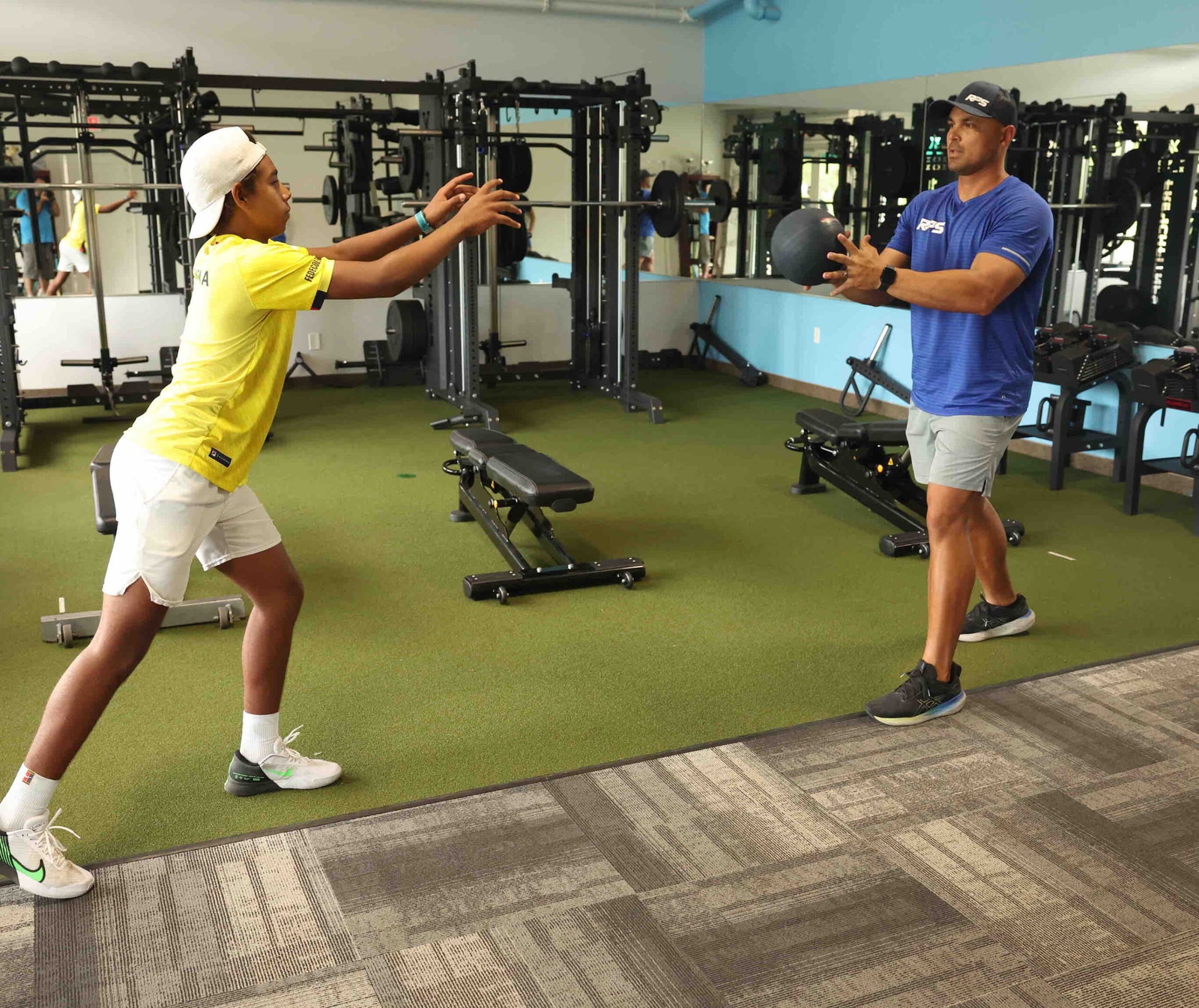
Sports performance training is a structured athletic development program designed to enhance the physical skills youth athletes need to excel in their sport. Unlike general workouts, sports performance training focuses on improving strength, speed, agility, endurance, coordination, and injury prevention using science-based systems. At RPS, our program includes youth fitness training programs, movement mechanics, strength development, mobility work, and speed and agility training for young athletes. This holistic model teaches athletes how to move efficiently and safely while building the physical foundation needed for long-term success. Because our approach is tailored specifically to youth, it supports healthy growth and reduces the risk of overuse injuries. Whether your child plays tennis, soccer, volleyball, golf, or multiple sports, performance training enhances their athletic potential.
FAQ 2: Is strength training safe for youth athletes?
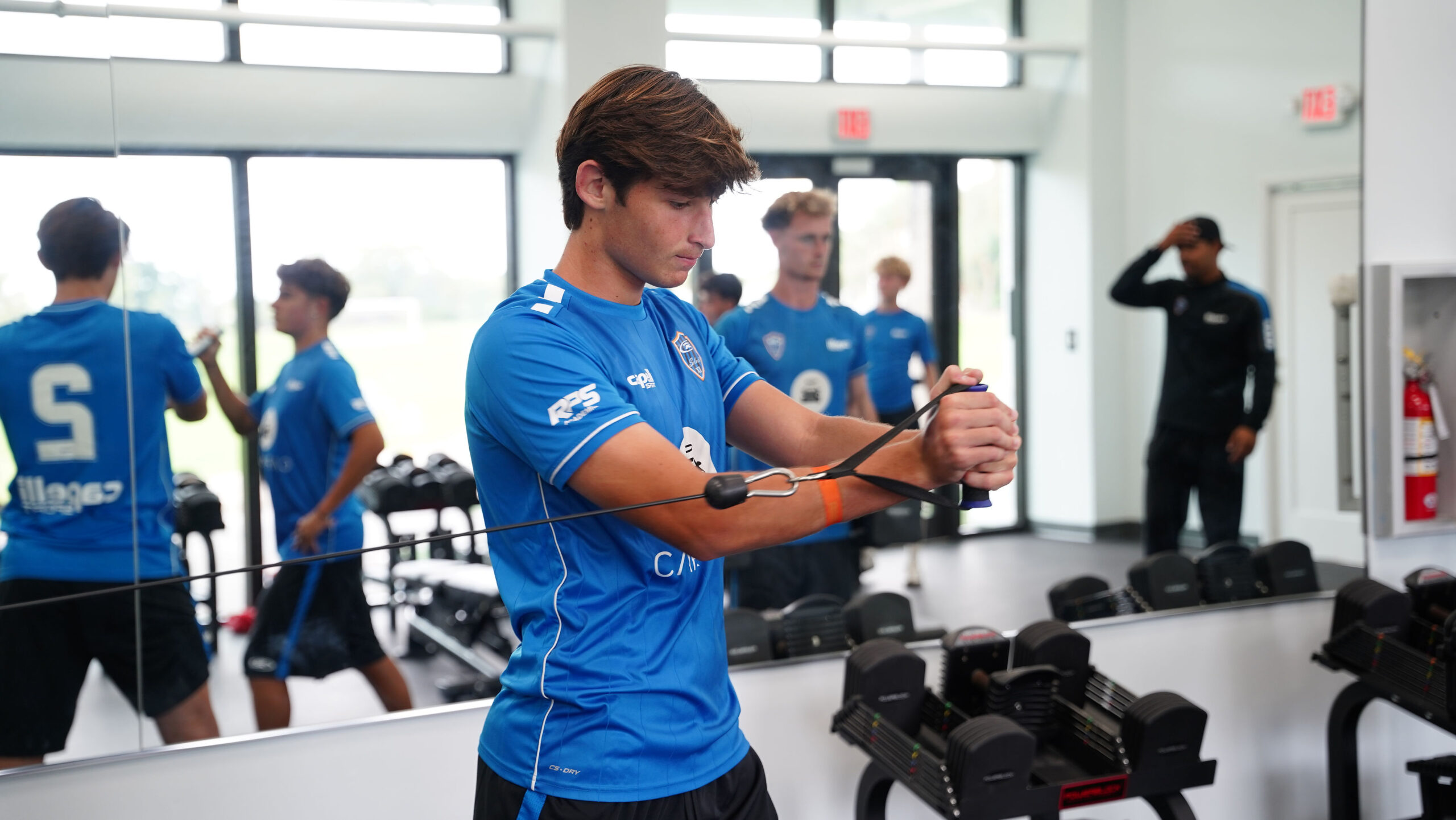
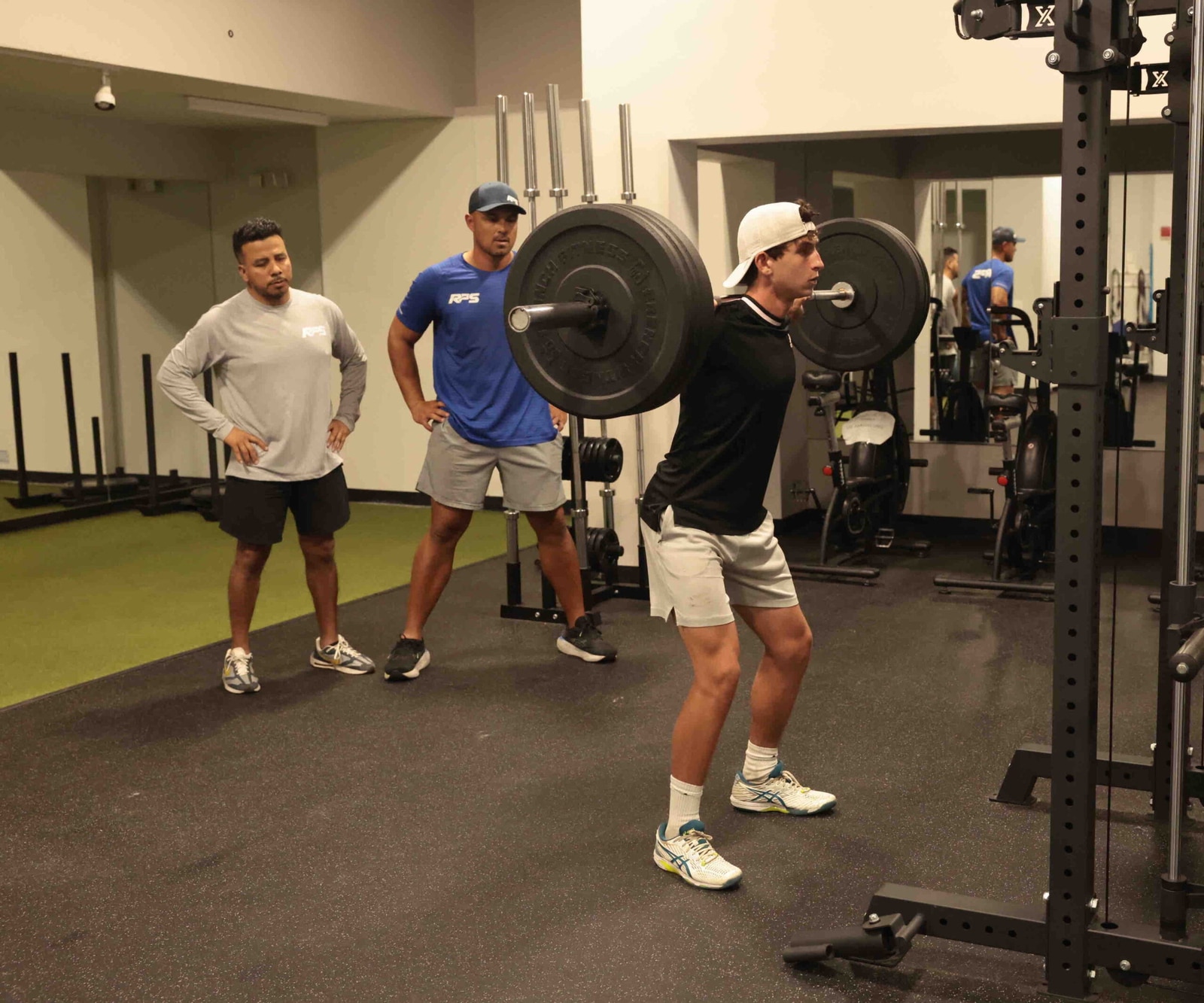
Yes. Strength training is safe and extremely beneficial for youth athletes when supervised by trained professionals and implemented with proper technique. At RPS, strength training is always age-appropriate and focuses on proper form, bodyweight mastery, functional movements, and developing stability. Our athletic training for youth does not involve heavy lifting or unsafe methods. Instead, athletes learn movement quality, coordination, core control, and foundational strength needed to support speed, agility, and power. Research consistently shows that structured strength training reduces injury risk, improves performance, and builds confidence in young athletes. Parents often see noticeable improvements in posture, stability, and athletic movement within just a few weeks of training.
FAQ 3: Do you offer speed and agility training for young athletes?
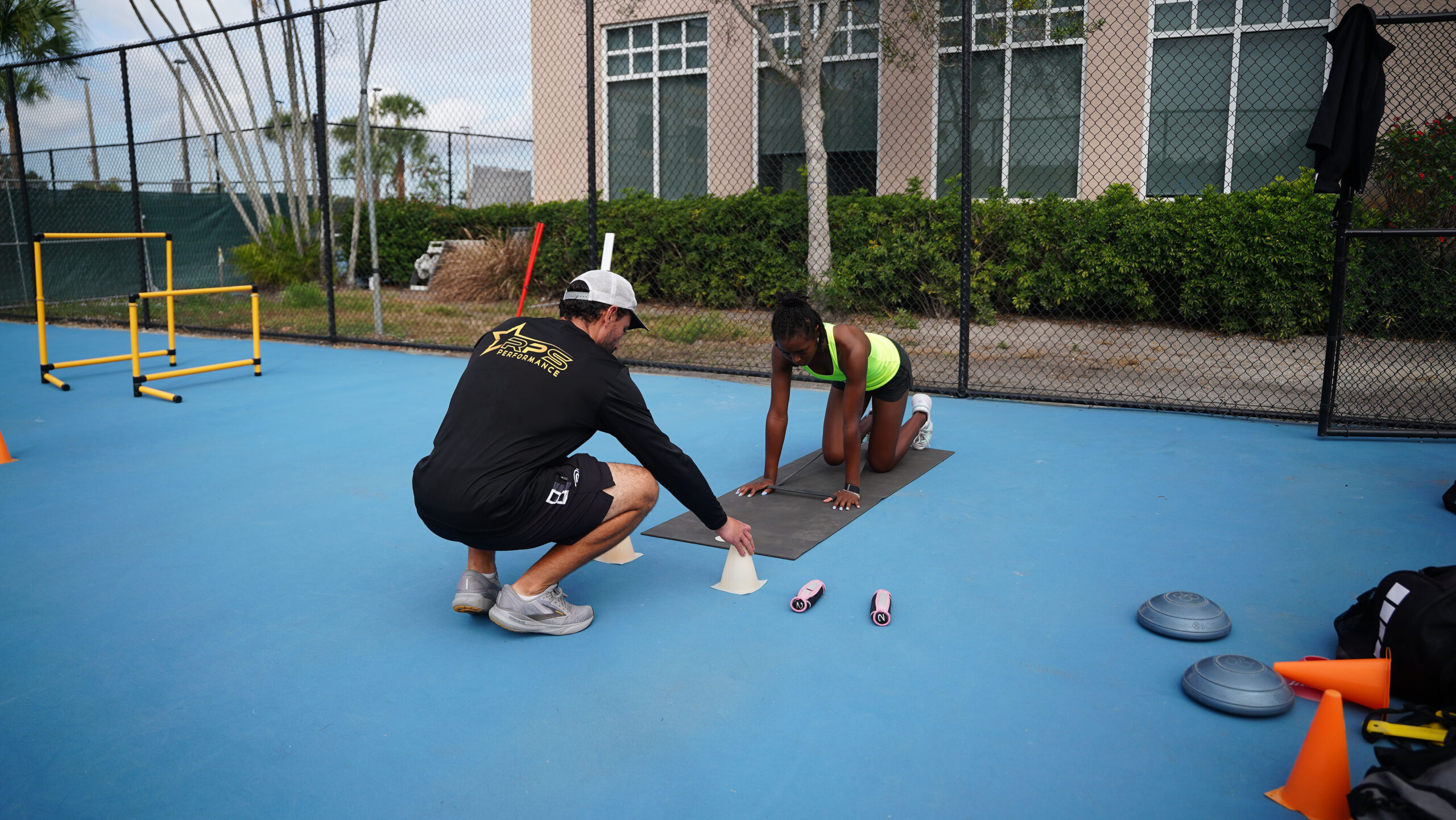
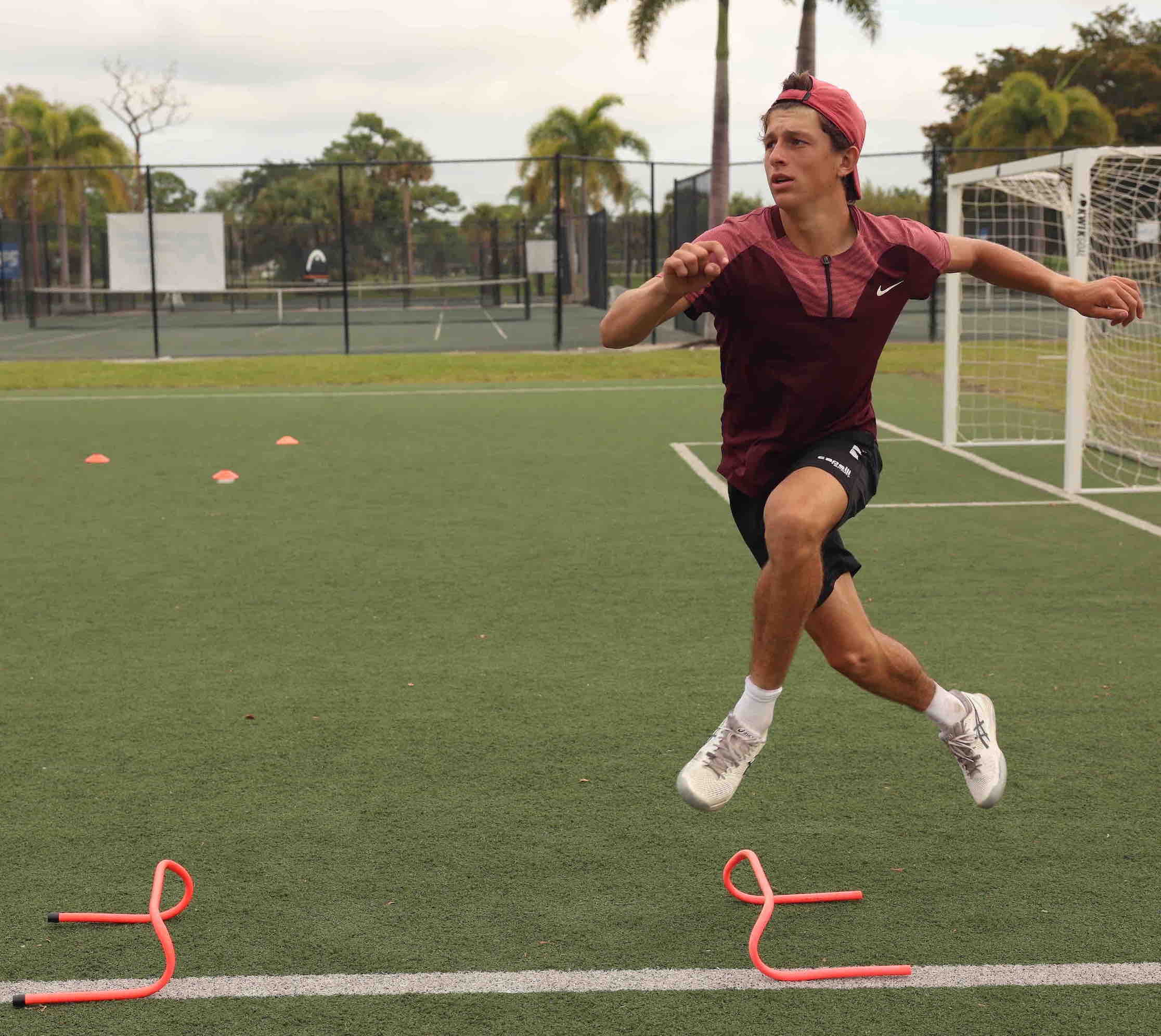
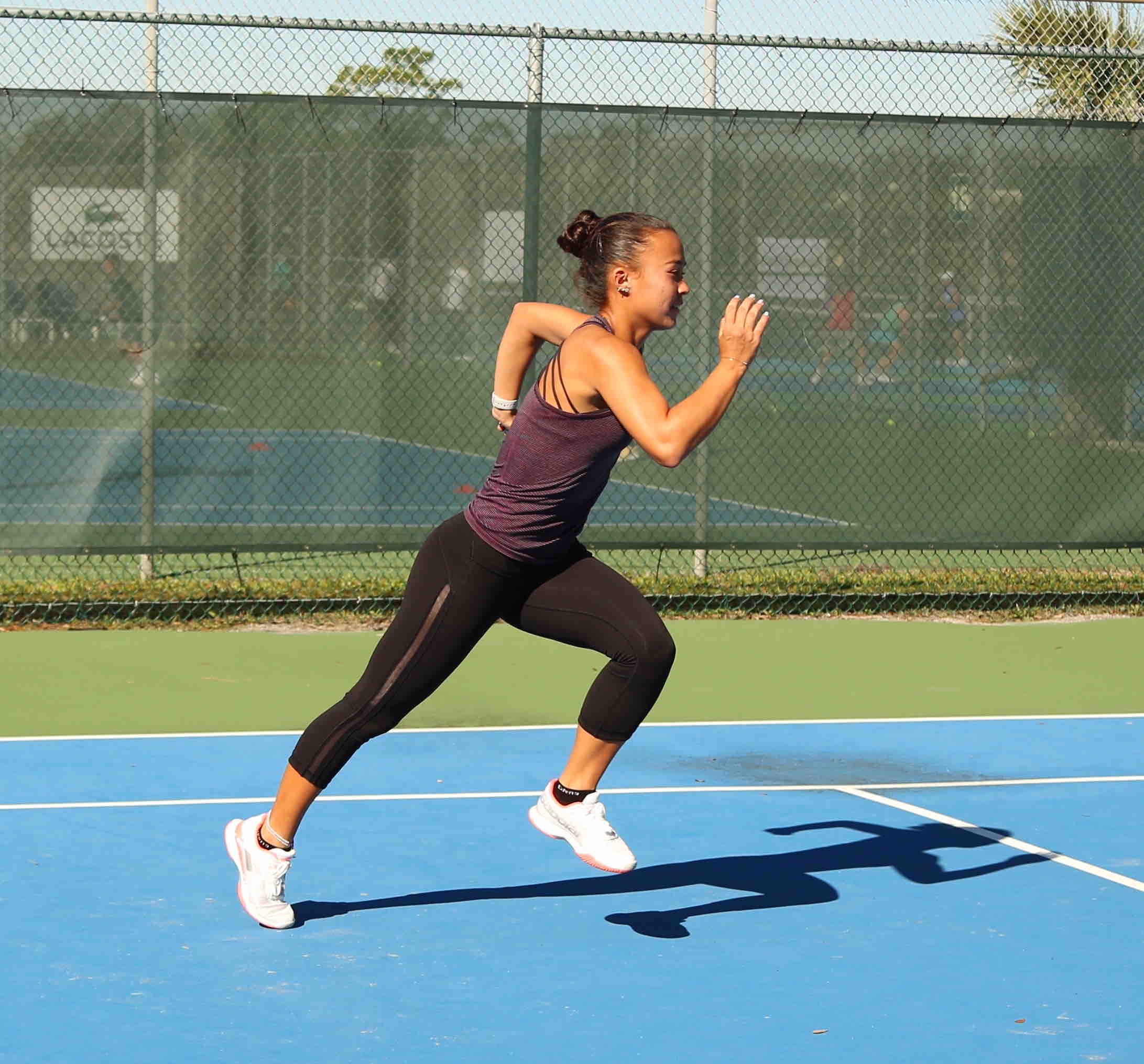
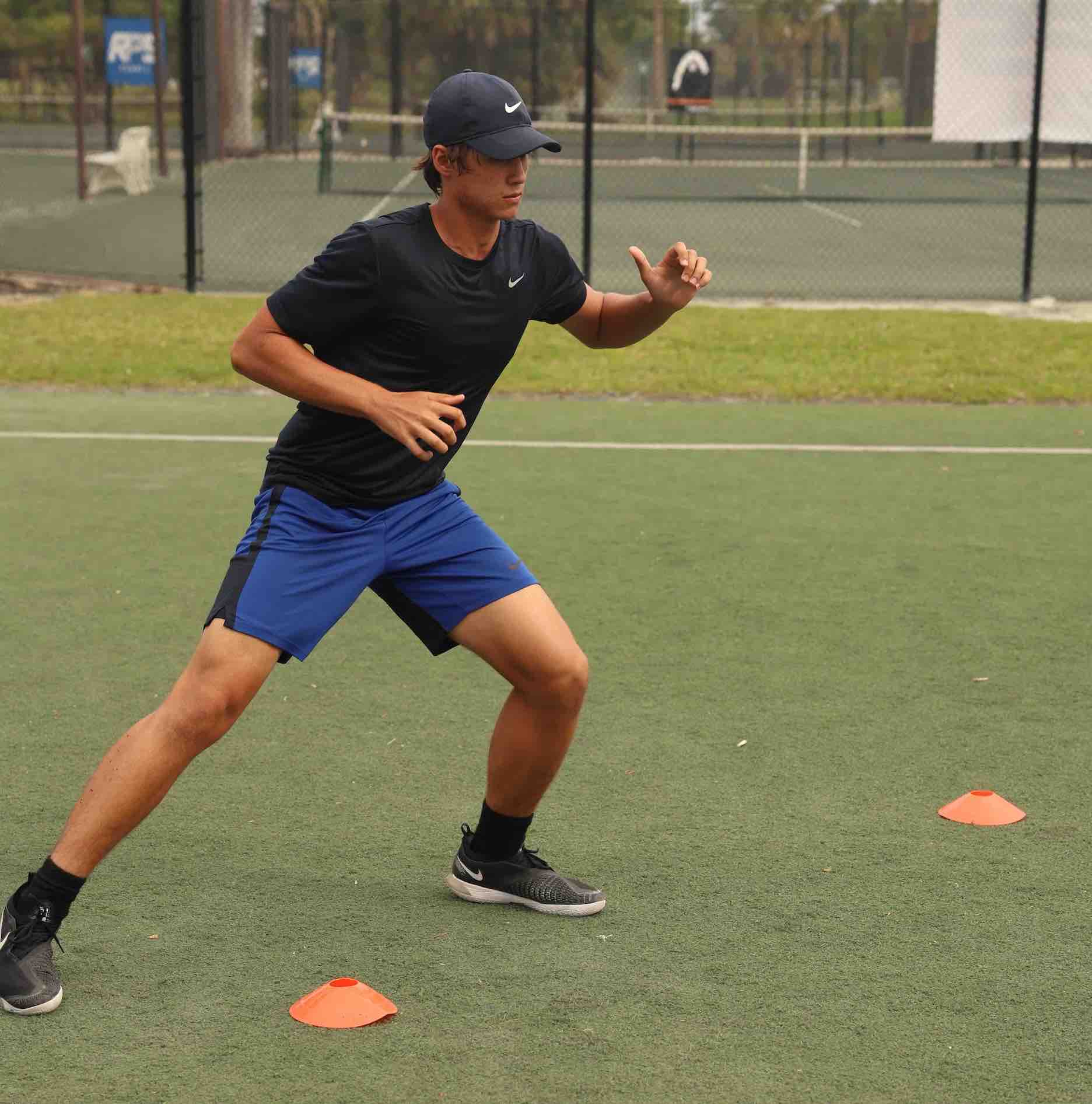
Absolutely. Speed and agility training is one of the core components of the RPS program. Young athletes learn proper sprint mechanics, how to accelerate and decelerate, how to change direction efficiently, and how to react quickly during competition. These skills are essential for nearly every sport, making speed and agility training a crucial part of youth athletic development. Our sessions include footwork patterns, cone drills, reaction-based training, and movement efficiency work designed specifically for youth sports performance. Because our approach emphasizes technique and progression, athletes become faster and more confident without risking injury. This makes us one of Florida’s top destinations for families searching “sports performance training near me.”
FAQ 4: What ages can join the RPS youth athletic training programs?
Our youth athletic training programs are designed for athletes ages 8–18. We divide athletes into development groups based on age, maturity, and skill level. Younger athletes (8–12) focus heavily on coordination, balance, and basic movement skills. Middle school athletes (12–14) progress into structured strength and speed training, while high school athletes (14–18) follow advanced training programs that mirror collegiate strength and conditioning systems. This ensures safe, effective development at every stage. Because our program is tailored to each athlete’s age and needs, we attract families searching for “youth athletic training programs near me” and “youth fitness training programs” who want the best possible training environment for their athlete.
FAQ 5: How soon will my athlete see results from sports performance training?
Most athletes begin to see improvements within the first 3–6 weeks, especially in coordination, confidence, speed, and movement quality. Strength gains and speed improvements often become noticeable within 6–8 weeks. Long-term performance increases depend on consistency, effort, recovery, and individualized programming. Because RPS uses science-backed methods for athletic performance training, athletes typically see measurable improvements in strength, agility, reaction time, and sport execution. Parents frequently comment on increased confidence, better posture, improved sprinting mechanics, and greater explosiveness. Consistent training produces the best results, especially when combined with good nutrition and adequate rest.