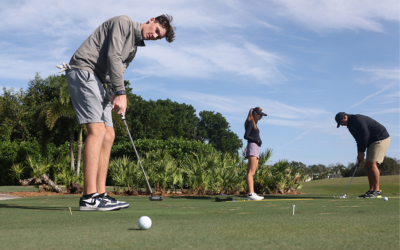
For serious golfers and their families, location becomes a performance decision. You’re not just choosing where to live—you’re choosing the courses you’ll see every week, the weather you’ll face, the competition you’ll meet, and the coaching ecosystem surrounding you. That’s why so many players and parents eventually look closely at Florida golf training as a long-term development strategy.
Florida isn’t just a vacation destination; it’s one of the few places in the world where golf can be a true year-round project. In this guide, we’ll break down why that matters, how it shapes development, and what families should consider before committing to a Florida-based pathway.
1. Climate: The Ultimate Training Advantage
Golf is a repetition sport. The more quality reps you can string together across weeks, months, and years, the more your game evolves. In many regions, winter weather interrupts that process with long stretches off the course or limited indoor options.
Florida’s climate changes the equation:
- Consistent access to grass ranges and real greens.
- The ability to practice and play on-course all 12 months of the year.
- Opportunities to work on wind, rain, and heat management that mirror real tournament conditions.
Instead of compressing progress into a short season and “holding on” through winter, players can build a steady, layered approach—technical, tactical, and mental work that never has to hibernate.
2. Course Variety: Learning on All Types of Tests
One of the most underrated benefits of training in Florida is the sheer variety of golf courses:
- Parkland layouts with strategic tree lines and doglegs.
- Resort-style courses with water hazards and visually intimidating tee shots.
- Tighter, shorter tracks that demand precision with wedges and course management.
- Championship-style venues with length, sand, and demanding green complexes.
This variety teaches players how to adapt. Instead of being a “home-course specialist,” a Florida-based player who uses the environment well develops:
- A more adaptable shot repertoire.
- Better decision-making under different course setups.
- Comfort with different grass types and green speeds.
That adaptability pays off when traveling for junior tours, elite amateur events, and eventually college competition.
3. Coaching Ecosystem and Performance Support
Serious players need more than range time—they need a team. Florida’s status as a golf hub attracts:
- Experienced swing coaches across different styles and philosophies.
- Short-game specialists who can transform scoring zones from 100 yards and in.
- Fitness and performance coaches who understand golf-specific strength, mobility, and injury prevention.
- Mental coaches familiar with the unique pressures of tournament golf and college recruiting.
In the right environment, all of these pieces can be coordinated into a long-term plan for the player, rather than disconnected “fixes” from different sources. That kind of integrated Florida golf training structure can be the difference between random improvement and systematic progress.
If you’d like help understanding how coaching, fitness, and performance support can be built around your player in a Florida-based model, you can contact us and talk through options with our team.
4. Tournament Access and Competitive Density
You can only learn so much on the range. Tournament golf is where habits, plans, and skills are tested under pressure. Florida’s golf calendar and geography create a powerful competitive ecosystem:
- Frequent junior and amateur events at local, regional, and state levels.
- Access to national-level tournaments without constant long-haul travel.
- Strong fields that reveal how a player actually stacks up beyond their home area.
This density makes it easier to build a smart schedule that blends:
- Development events for building confidence and learning.
- Performance events to test growth against stronger competition.
- Key tournaments that matter for rankings, college recruiting, or long-term goals.
With travel times and logistics reduced, players can spend more energy on preparation and recovery, not planes and cars.
5. Integrating Academics With High-Performance Golf
For junior golfers and their families, education is non-negotiable—especially for those targeting college golf. Florida’s performance environments increasingly recognize that, offering models where:
- Traditional schools coordinate with practice and tournament schedules.
- Accredited online or hybrid programs fit around training blocks.
- Study halls, tutoring, and academic planning run alongside golf programming.
Done well, this integration ensures players don’t have to choose between development and their academic future. That balance becomes a core pillar of any serious Florida golf training plan—particularly for players looking to earn scholarships and thrive as student-athletes.
If you want to see what an integrated golf + academics schedule could look like in Florida for your player, you can contact us and we can walk you through sample structures.
6. Building a Professional Lifestyle Early
Training in a golf-rich environment does more than lower scores; it shapes habits. Players quickly learn to:
- Manage their own equipment, preparation, and recovery routines.
- Plan practice sessions with clear goals rather than just “hitting balls.”
- Communicate with coaches, fitness staff, and teachers.
- Handle nerves, expectations, and the loneliness that sometimes comes with individual sports.
These are the same skills they’ll need as college golfers and beyond—time management, self-awareness, and self-leadership. Living in a performance environment helps turn those ideas into daily behavior.
7. Seasonal Blocks vs. Full-Time Relocation
Not every family can or should move full-time to Florida—and that’s okay. There are multiple ways to leverage the environment:
Seasonal training blocks
- 2–6 week stays during winter or key preparation periods.
- Ideal for players from colder climates or areas with limited course access.
- A chance to focus on specific goals: pre-season prep, mechanical changes, or intensifying tournament readiness.
Semester or year-based stays
- Combine schooling and training for a defined period (e.g., key high school years).
- Create deeper continuity in coaching relationships and competitive pathways.
Full-time base
- Best suited for players with clear long-term goals, strong family support, and the right academic plan.
The right choice depends on age, current level, long-term aspirations, budget, and family logistics. A good first step for many families is a seasonal block that doubles as an assessment period for whether a longer stay makes sense.
8. Questions to Ask Any Florida-Based Program
Because Florida has many options, careful evaluation is essential. Consider asking:
- How is my child’s development plan individualized over 6–12 months?
- What does a typical training week look like (on-course, range, short game, fitness, mental)?
- How do you balance practice and tournament play across a season?
- What support is there for academics and time management?
- How do you communicate progress and feedback to families?
- What experience do you have with college recruiting or high-performance pathways?
Quality programs will welcome specific questions and offer clear, realistic answers rather than vague promises.
9. Common Concerns From Families
“Is Florida only for elite or near-tour-level juniors?”
No. While many elite players train there, Florida also supports serious developmental players who are still building foundations. The key is matching the environment to your child’s current level and capacity.
“Will the heat and humidity be too demanding?”
With smart hydration, scheduling, and gradual adaptation, most players adjust well. In fact, learning to manage these conditions can be a competitive advantage at tournaments in similar climates.
“What if it doesn’t work out or isn’t a fit?”
Starting with defined training blocks, clear goals, and regular check-ins helps you evaluate whether the environment is truly beneficial before making longer commitments.
10. Putting It All Together
Florida offers something unique: a golf ecosystem where weather, course variety, coaching depth, and competition all reinforce one another. For the right player at the right time, basing development around this environment can accelerate progress, clarify college or performance pathways, and build a professional approach to both golf and life.
The key is not simply “moving to Florida,” but choosing a structure and support team that align with your goals, academic needs, and family realities. When those pieces connect, endless fairways become more than a postcard—they become the daily training ground for what’s possible in your game and your future.
Frequently Asked Questions About Endless Fairways: Why Florida Is a Golfer’s Paradise for Year-Round Training
1. Do I need to live in Florida full-time to benefit from the environment?
Not necessarily. Many players use Florida as a seasonal performance base—coming for key blocks during winter, pre-season, or specific development phases. These shorter stays can still deliver major gains in reps, coaching, and competitive exposure, especially if your home region has weather or access limitations. Full-time relocation tends to make sense for players with clear long-term goals, strong academic planning, and a family structure that can support the move. Seasonal blocks are often a smart first step before considering anything more permanent.
2. How quickly can my game improve if I train in Florida?
Small improvements—like sharper contact, better short game feel, or more confidence in the wind—often appear within a few weeks of focused work. Larger changes, such as lower scoring averages in tournament play, typically take months of structured training, smart scheduling, and consistent feedback. The biggest gains usually come from combining increased course access with quality coaching and clear practice plans. Florida can accelerate that process by removing weather barriers and surrounding you with the right support, but meaningful progress still depends on your daily habits and commitment.
3. Is Florida golf training only for players already close to college level?
No. While many college-bound and elite juniors train there, development-focused players can also benefit, as long as they’re placed in environments appropriate to their age and stage. Younger or earlier-stage golfers may focus more on fundamentals, athleticism, and enjoying the game in a consistent setting; older players might prioritize tournament prep, scoring skills, and recruiting exposure. The key is alignment—your goals and current level should match the expectations and structure of the program you choose.
4. How do academics work if we spend extended time training in Florida?
Families typically choose from several academic pathways: traditional schools with flexible arrangements, accredited online or hybrid programs, or academic providers partnered with training centers. The most successful setups treat school as a core pillar, not an afterthought. That often means scheduled study blocks, tutoring support, and clear communication with teachers about travel and competition. When academics and golf are planned together, players can progress on both fronts, keeping doors open for college admission and scholarships.
5. What should I prioritize when comparing Florida golf programs?
Look beyond marketing and facilities. Prioritize environments that can clearly explain their development philosophy, show how they individualize plans, and demonstrate a track record of helping players reach realistic goals—whether that’s college golf, elite amateur performance, or long-term love of the game. Pay attention to coach-to-player ratios, the balance between range and on-course time, the integration of fitness and mental skills, and how they support academics and communication with families. Visiting, asking detailed questions, and speaking with current or former families will give you the clearest picture of whether a program is genuinely the right fit.