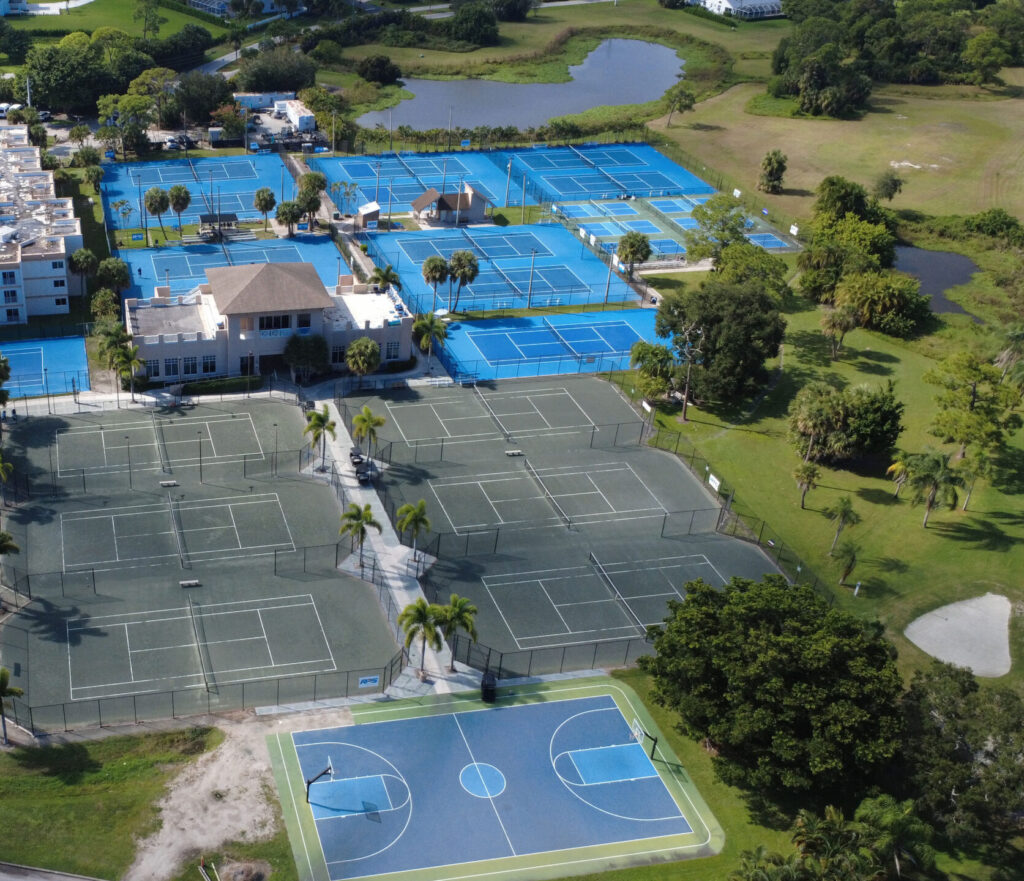
Serious tennis families eventually face the same question: Where should we be based if we really want to maximize development? Again and again, the answer points to Florida. Between climate, competition, coaching depth, and academic options, Florida has become a global hub for players chasing college opportunities and professional dreams.
Families exploring year-round tennis training Florida are usually looking for more than just sunshine. They want a daily environment where training, tournaments, and education all support a clear, long-term performance pathway.
1. Climate: The Ultimate Training Advantage
Weather isn’t just a lifestyle perk—it’s a performance tool. In Florida, the ability to train outdoors almost every day of the year delivers a huge edge:
- Minimal disruption from winter conditions
- Consistent access to clay and hard courts
- Regular exposure to heat and humidity (similar to many pro events)
Instead of losing weeks or months to snow and indoor limitations, Florida-based players can work on rhythm, footwork, and fitness in real match conditions all year. That continuity accelerates skill development and builds the resilience needed for high-level competition.
2. Depth of Competition: Tough Matches Every Week
One of the biggest benefits of training in Florida is the concentration of competitive players. The state attracts:
- High-performance juniors from across the U.S. and overseas
- College players training in their off-seasons
- Touring pros using Florida as a base between events
This density means practice sets and tournaments regularly feature opponents who push your child’s physical, tactical, and mental limits. Instead of “waiting for the big events” to face tough competition, players continually test their games and learn to adapt. Over time, that steady exposure builds true match toughness.
3. Coaching Ecosystem: Specialists at Every Stage
Florida’s status as a tennis hub has drawn hundreds of experienced coaches and performance staff, including:
- Technical stroke specialists
- High-performance and college-placement coaches
- Strength and conditioning experts
- Sports psychologists and mental performance coaches
This ecosystem allows families to build a personalized support team around the player’s needs. A competitive 12-year-old will need a very different program than a 17-year-old targeting college or the pro tour, and Florida makes it easier to adjust that program as the player grows.
4. Variety of Surfaces and Conditions
A modern player must be comfortable on multiple surfaces and in different conditions. Florida offers:
- Extensive clay-court access (crucial for footwork, patience, and physical development)
- Hard courts that mirror many U.S. college and pro events
- Regular training in heat, humidity, and wind
Players who master these variables develop better movement, shot selection, and physical durability. When they travel to tournaments elsewhere, they arrive with a toolkit for adjusting, not just hoping conditions suit their game.
5. Balancing Academics and High-Performance Tennis
Training seriously doesn’t mean abandoning education. In Florida, many academies and programs are set up to integrate:
- Traditional schools with flexible schedules
- Accredited online programs
- On-site or partnered academic providers
- Tutoring and supervised study blocks
This integration allows players to maintain strong grades while training at a high level. For college-bound athletes, that balance is essential: admissions, eligibility, and scholarships all depend on academic performance, not just rankings or ratings.
If you’d like help understanding how tennis and academics can be structured in a Florida-based program for your child, you can contact RPS Academies and talk through the options with our team.
6. Tournament Access and Travel Efficiency
Another major advantage of training in Florida is tournament density. Players can often:
- Compete in high-quality local and regional events with minimal travel
- Access national-level tournaments within a single day’s drive or short flight
- Plan calendars that mix developmental events and performance targets
Less time in airports and cars means more time actually training, recovering, and studying. Over a season, that efficiency adds up—reducing stress for families and helping athletes maintain consistent performance across the year.
7. Building a Professional Lifestyle Early
Living and training in a high-performance tennis environment teaches players how to:
- Manage daily training loads and recovery
- Organize their equipment and routines
- Handle pressure in practice and competition
- Communicate with coaches, trainers, and teachers
These habits form the foundation of a professional mindset—even if the final pathway is college tennis, the pro tour, or a career within the sports industry. Florida’s tennis culture surrounds developing players with examples of what it really looks like to live like an athlete, not just play like one occasionally.
8. Is Relocating or Seasonal Training Right for Your Family?
Not every family will relocate full-time, and that’s okay. There are three common ways families leverage the Florida advantage:
- Full-time training and schooling based in Florida
- Seasonal blocks (e.g., winter or pre-season preparation)
- Camp and assessment visits to benchmark development and plan next steps
Each option has different implications for cost, logistics, and family life. The key is to align the intensity of the move with the player’s goals, age, and level of commitment. For some, a testing period or seasonal block is a smart first step before making any long-term decisions.
9. How to Evaluate Florida-Based Programs
Because there are many options, it’s important to assess programs carefully:
- Coaching philosophy – Do they prioritize long-term development, or only short-term results?
- Player-to-coach ratio – Will your child receive meaningful attention?
- Integration of fitness and sports science – Is physical development structured or ad hoc?
- Communication with parents – Are progress reports and honest feedback part of the process?
- Pathway support – Do they help with tournament planning, college recruiting, or pro transitions?
Visiting, watching sessions, and speaking with current families are invaluable. The right environment should feel demanding but supportive, organized, and aligned with your child’s personality.
10. Bringing It All Together
For many developing players, Florida offers a uniquely powerful blend of weather, competition, coaching depth, and academic flexibility. When families commit to year-round tennis training Florida, they’re not just chasing sunshine—they’re investing in a structure that supports daily improvement and long-term opportunity.
If you’re considering whether a Florida-based training model is right for your child and want a clear, personalized roadmap, our team is here to help you evaluate the options, timelines, and practical steps. To start that conversation, you can contact us and we’ll help you map a pathway that matches your goals and realities.
Frequently Asked Questions About Why Is Florida the Best Place to Train for Tennis Year-Round
1. Is Florida only suitable for elite or professional-level juniors?
No. Florida offers a spectrum of environments, from beginner-friendly programs to elite academies. The key is matching your child’s current stage and goals to the right training group and structure. Younger or less experienced players can benefit from strong fundamentals, regular play, and exposure to a tennis culture that values development. Advanced juniors can take advantage of high-level sparring, tournaments, and college or pro-oriented coaching. It’s not about being “good enough” to go to Florida—it’s about finding the right environment there for your child’s stage.
2. Won’t the heat and humidity be too much for my child?
The climate can be demanding, especially at first, but when managed correctly it becomes a training advantage. Programs experienced with developing juniors in Florida are careful about hydration, shade breaks, and gradual adaptation to conditions. Over time, players learn to regulate their effort, recover efficiently, and compete effectively in hot environments—skills that are invaluable when they travel to national or international events. Families should always ask how a program handles heat, weather protocols, and player safety before committing.
3. How does schooling work if we train in Florida long-term?
Families typically choose between traditional schools with flexible arrangements, on-site academic partners, or accredited online programs coordinated with training schedules. The most effective setups treat academics as a core pillar, not an afterthought. That might include supervised study halls, tutoring support, and clear communication between teachers and coaches about travel and tournament demands. When done well, players can maintain strong grades, stay on track for college admissions, and develop critical time-management skills alongside their tennis training.
4. Is it worth relocating if we already have good coaching at home?
It depends on what you’re missing. If you have strong local coaching but limited competition, poor weather, or few like-minded peers, Florida can fill those gaps through performance blocks or seasonal training. Some families maintain a primary home base but schedule regular Florida training periods to complement their local program. Others move full-time when goals become more ambitious. The decision is rarely all-or-nothing. A thorough assessment of your current environment, your child’s goals, and realistic logistics will guide whether relocation or periodic training makes the most sense.
5. How long should we stay in Florida to see real benefits?
Short visits—like a single week—can be motivating, but deeper changes in fitness, tactics, and resilience usually require longer blocks. Many families find that two- to six-week training periods, repeated during key times of the year, produce significant gains without disrupting family life too drastically. For players committing to a high-performance pathway, a full-time or semester-based move can offer the greatest impact. The most important factor is consistency: repeated exposure to quality coaching, competition, and conditions will compound over time, regardless of the specific schedule you choose.