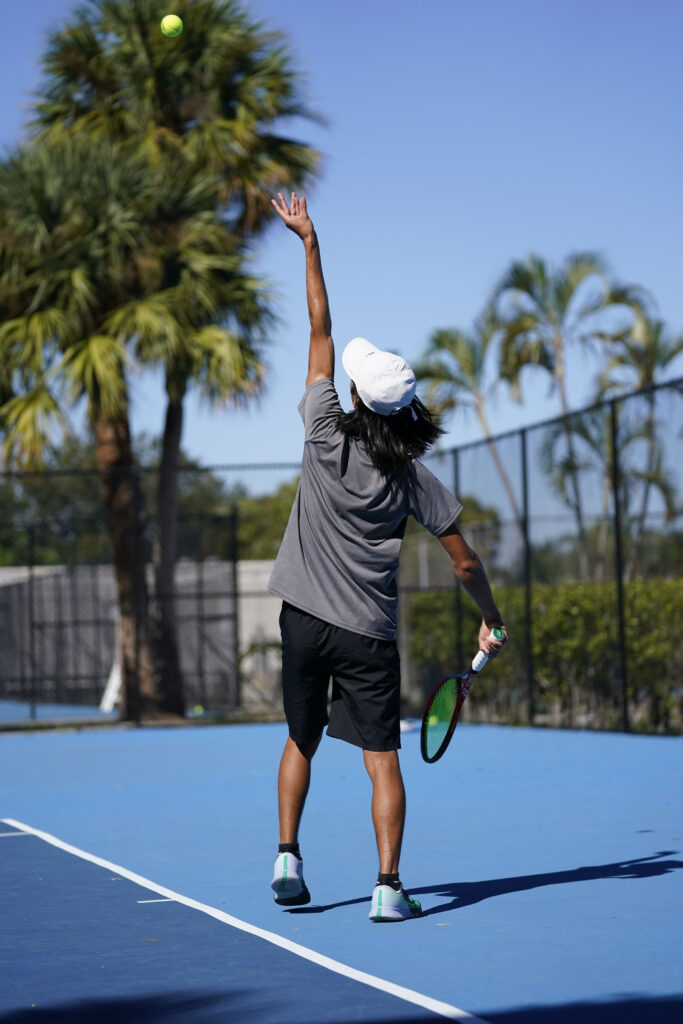
Parents and players often ask the same question: what are the best tennis camps for juniors if we’re serious about development, not just a fun week away? Choosing the right camp can accelerate a young player’s progress, build confidence, and open doors to future opportunities like academies and college tennis.
This guide breaks down what makes a camp truly high-quality, how to evaluate options, and which questions to ask before you invest your time and money.
1. Define Your Junior Player’s Goals
Before you search for the best tennis camps for juniors, get very clear about what your child needs right now:
- Beginner / early intermediate – Learning fundamentals, rules, basic footwork, and love for the game.
- Competitive junior – Actively playing tournaments, needs tactical development and physical conditioning.
- High-performance pathway – Aiming for national level, college tennis, or long-term professional goals.
The “best” camp for a first-time 10-year-old is very different from the best camp for a 15-year-old hunting ITF points. Good programs tailor training groups, drills, and match play to each level.
2. What Makes a High-Quality Junior Tennis Camp?
Qualified and experienced coaching staff
Top junior camps are led by coaches who:
- Have a proven track record with competitive players
- Understand long-term athletic development
- Communicate clearly with both parents and players
- Work as a coordinated team, not as isolated “lesson-givers”
Ask about their coaching qualifications, experience with junior pathways, and how they structure feedback.
Structured, balanced training schedule
The best tennis camps for juniors offer a well-planned daily structure, typically including:
- Technical drills (strokes, footwork, serve)
- Tactical sessions (patterns, shot selection, game plans)
- Supervised match play and competitive scenarios
- Tennis-specific fitness and injury prevention
- Cool-down, stretching, and recovery work
Beware of camps that are mostly “open hitting” with little structure. Volume without purpose rarely leads to lasting improvement.
3. Training Environment and Player Grouping
Level-based groups
To progress, juniors need to train with others at a similar or slightly higher level. Look for camps that:
- Evaluate players on day one
- Group by age and playing standard
- Rotate groups when necessary to keep sessions productive
This prevents advanced players from becoming bored and beginners from feeling overwhelmed.
Court ratio and session design
Key questions to ask:
- What is the coach-to-player ratio on court?
- Are there enough courts to avoid overcrowding?
- How is time divided between drills and point play?
Smaller groups and thoughtful court assignments usually mean more ball contacts, more coaching feedback, and better learning.
4. Physical, Mental, and Tactical Development
Tennis-specific fitness
Top camps treat physical training as an integral part of performance, not an afterthought. Look for:
- Speed and agility work focused on tennis movement
- Strength and coordination appropriate to age
- Injury prevention, especially for knees, hips, and shoulders
- Clear education on warm-up and recovery routines
Mental skills and resilience
The best environments quietly develop mental toughness by:
- Teaching routines before and between points
- Encouraging problem-solving during matches
- Normalizing pressure situations in training
- Helping players reflect on daily progress
Ask whether the camp includes any sports psychology elements, workshops, or mindset sessions.
5. Camp Format: Day Camp vs. Residential
Day camps
- Typically local, no accommodation
- Good for younger players or first-time campers
- Easier for parents to supervise daily routine
Residential camps
- Players live on-site (or nearby) with supervision
- Strong option for international or out-of-area players
- Adds independence, time management, and social skills
Residential camps are often integrated into full-time or year-round academies, giving juniors a taste of what a high-performance environment feels like over a longer block.
If you’d like guidance selecting the right camp structure for your child, you can contact us and speak directly with our team.
6. Safety, Supervision, and Player Well-Being
Parents should feel confident that their child is safe, supervised, and supported:
- Clear supervision ratios on and off court
- Trained staff for medical or injury situations
- Transparent policies on nutrition, hydration, and heat management
- Rules and expectations explained to players and families
High-quality camps see the player as a whole person, not just a “tennis project.”
7. How Camps Fit into the Bigger Tennis Journey
A great camp should be part of a larger development plan, not a one-off event:
- Younger players – Camps can ignite passion and build foundational skills.
- Competitive juniors – Camps provide performance blocks between tournaments.
- Older high-performance players – Camps can serve as intensive preparation for key events or as trial periods at academies.
Ask whether the camp provides end-of-week evaluations or development reports. These help you and your home coach make better decisions after the camp ends.
8. Red Flags to Watch Out For
When evaluating junior tennis camps, be cautious if you see:
- No clear daily schedule or training plan
- Very high player-to-coach ratios
- Little to no feedback provided to players or parents
- Overemphasis on “win at all costs” in internal matches
- Poor communication before or during the camp
Trust your instincts. A serious junior deserves a serious, well-run environment.
9. Taking the Next Step
Choosing among the best tennis camps for juniors can feel overwhelming, especially if you’re comparing different countries, formats, and price points. Start with your child’s goal, look closely at coaching quality and structure, and don’t hesitate to ask detailed questions before enrolling.
If you’re ready to explore high-performance camp options and want expert support in matching your junior player to the right program, contact us and we’ll help you map out the best pathway.
Frequently Asked Questions About Best Tennis Camps for Juniors
1. What age is ideal for starting junior tennis camps?
Many players begin attending short day camps around ages 7–9, when they can comfortably focus for a few hours and follow basic group instructions. More intensive, performance-focused camps are usually better from ages 10–12 onward, once a child has a solid technical base and some match experience. The ideal age depends on maturity level and previous exposure to tennis, not just the birthdate. For very young players, prioritize fun, fundamentals, and safety over long hours or high training volume.
2. How long should a junior tennis camp last for real improvement?
A week-long camp can give a motivational boost, but meaningful technical and physical changes typically require at least two to three consecutive weeks of structured training. This allows coaches to introduce concepts, reinforce them, and then test them in match play. For competitive juniors, planning one or two multi-week camp blocks each year, combined with solid home coaching, often produces the best results. Ultimately, consistency—returning to strong environments year after year—matters more than a single “magic” week.
3. Should my child attend a camp abroad or stay local?
International camps can be fantastic for exposure to new coaching styles, surfaces, and playing conditions, and they help older juniors develop independence. However, they also involve higher costs, more complex logistics, and potential fatigue from travel. Local or regional camps can be just as effective if the coaching, structure, and training partners are strong. Decide based on quality of environment, not just geography. For first-time campers or younger players, starting local and building up to international options often works best.
4. How do I know if a camp is suitable for serious competitive players?
Look for signs of a performance-driven environment: clear daily schedules, tennis-specific fitness, level-based grouping, and coaches experienced with tournament players. Ask whether current or former campers compete at national or international levels and if the camp has links to academies or college programs. Serious camps often provide written evaluations or development plans at the end. If marketing is all about “fun” with little information on training details, it may be better suited to recreational players than aspiring competitors.
5. What should my child bring to a junior tennis camp?
Essential items include multiple rackets, tennis shoes (and possibly clay/grass-specific shoes if relevant), comfortable training clothes, a hat, sunscreen, and a water bottle. Players should also bring healthy snacks, any required medications, and a notebook for recording drills, feedback, and reflections. For residential camps, add comfortable off-court clothing, toiletries, and any required documents. Encourage your child to take responsibility for their equipment and routines—these habits are part of growing into a serious, independent athlete.