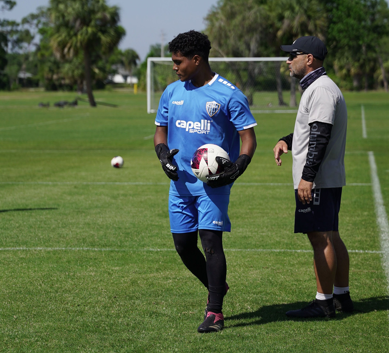
Talent shows up in practice. Fuel shows up everywhere: energy in the first half, focus late in games, how fast your body recovers, and whether you feel strong or “flat” week after week. For student-athletes, nutrition isn’t about perfection—it’s about building simple habits that support training, growth, school, and performance.
If you’re tired of confusing rules and restrictive plans, this guide gives you a practical system: what to eat, when to eat, how to hydrate, and how to adjust for game days, travel, and busy schedules.
Want a simple plan customized to your sport, practice times, and goals?
The big idea: food is performance training
A student-athlete’s body is doing three jobs at once:
- growing (especially during puberty)
- learning (school stress + brain energy)
- training (practices, lifts, games, tournaments)
That means under-eating, skipping meals, or drinking too little doesn’t just “feel bad”—it can show up as:
- slow recovery and constant soreness
- low energy and inconsistent performance
- more cramps and headaches
- stalled strength gains
- mood swings and poor focus
The goal isn’t a perfect diet. The goal is consistent fueling that matches the workload.
The athlete plate: the simplest way to build meals
Instead of counting everything, use a plate framework that adapts to training days.
On most training days, aim for:
- Half the plate: colorful fruits and vegetables
- Quarter of the plate: protein
- Quarter of the plate: carbohydrates
- Plus: a healthy fat (often included in the protein or added as a small portion)
When practices are intense or twice a day, the plate shifts:
- carbs increase (more rice, pasta, potatoes, oats, fruit)
- protein stays steady
- vegetables stay present, but they don’t replace carbs when you need performance energy
Think of it as a dial: harder training days require more fuel.
Protein: build and repair (without overthinking)
Protein supports muscle repair and growth, but teens often miss the biggest lever: consistency.
Practical targets for most student-athletes:
- include a protein source at breakfast, lunch, dinner, and one snack
- prioritize easy options: eggs, Greek yogurt, milk, chicken, turkey, beef, fish, tofu, beans, protein smoothies
Simple rule: if you train after school and dinner is late, add a protein snack before practice so you’re not running on fumes.
Carbohydrates: the performance fuel most athletes under-eat
Carbs are not “bad.” For athletes, they’re the main fuel for hard training and repeated sprint efforts. When carbs are too low, athletes often feel:
- heavy legs
- poor stamina
- shaky energy
- worse mood and focus
High-quality carbohydrate staples:
- rice, pasta, oats, potatoes, bread, tortillas
- fruit (especially bananas, berries, oranges)
- cereal or granola paired with protein
- yogurt + fruit + honey
- smoothies with fruit and milk
If your athlete is doing speed, lifting, or intense practice, carbs belong in the plan.
Fats: helpful, but not the main pre-game fuel
Healthy fats support hormones and long-term energy, but heavy fat meals right before training can slow digestion.
Good fat sources:
- avocado, olive oil, nuts, nut butters
- eggs, salmon, full-fat dairy (if tolerated)
Use fats mostly in meals that are not right before intense training.
Hydration: the easiest performance boost
Hydration affects endurance, sprint output, concentration, and cramp risk. Many youth athletes start practice already under-hydrated.
Daily basics:
- sip water throughout the day, not just at practice
- use urine color as a simple check (pale yellow is a good sign)
- add electrolytes when it’s hot, humid, or sweat loss is high
During long sessions, especially in Florida heat, electrolytes can matter as much as water.
Meal timing: what to do before, during, and after training
This is where most families can improve fast.
Pre-practice (1–3 hours before)
Aim for carbs + some protein, lower fat and fiber:
- turkey sandwich + fruit
- yogurt + granola + berries
- rice bowl with chicken
- oatmeal + milk + banana
If you only have 30–60 minutes:
- banana + yogurt
- granola bar + milk
- applesauce pouch + string cheese
During practice (only if long or intense)
Most practices don’t require food. But if it’s:
- over 90 minutes, very intense, or multiple sessions/day
then add easy carbs: - sports drink
- banana
- chews or a simple carb snack
Post-practice (within 60 minutes)
Prioritize carbs + protein:
- chocolate milk
- smoothie with milk + fruit + protein
- rice + lean protein
- wrap + fruit
This doesn’t need to be fancy—just consistent.
Game-day fueling that actually works
Game-day mistakes are predictable:
- skipping breakfast
- trying a new pre-game meal
- eating too heavy too close to start time
- relying on energy drinks or candy spikes
Game-day plan:
- 3–4 hours before: balanced meal with carbs + protein
- 60–90 minutes before: small carb snack (optional)
- after: recovery snack + full meal later
Great game-day foods:
- pasta with chicken
- rice bowls
- sandwiches + fruit
- pancakes/waffles + eggs
- oatmeal + banana + yogurt
Avoid experimenting on game day. Practice the plan in training weeks.
The “busy student” meal plan: simple wins for real schedules
A realistic weekday structure:
- Breakfast (non-negotiable)
- Lunch (packed or planned)
- Pre-practice snack
- Dinner
- Optional evening snack (if training load is high)
Quick breakfast options:
- Greek yogurt + granola + fruit
- eggs + toast + fruit
- oatmeal + milk + banana
- smoothie (milk + fruit + yogurt/protein)
Packable lunches:
- turkey/chicken wrap + fruit
- rice bowl + protein + veggies
- pasta salad + chicken
- peanut butter sandwich + yogurt + fruit (if allowed)
Reliable snacks:
- chocolate milk
- trail mix + fruit
- cheese + crackers
- yogurt
- protein smoothie
Consistency beats complexity.
Supplements for youth athletes: keep it simple and safe
Most youth athletes don’t need supplements if nutrition and sleep are solid. If families consider supplements, focus on:
- food-first strategies
- third-party tested products (when appropriate)
- checking with a qualified healthcare professional, especially with any medical conditions or medications
The most common “supplement” that actually helps is a well-built routine: breakfast, hydration, and recovery nutrition.
Common nutrition mistakes that hurt performance
Skipping breakfast
Fix: make it repeatable (3 go-to options, rotate them)
Under-eating because of busy schedules
Fix: add a consistent pre-practice snack and a recovery snack
Only drinking water during practice
Fix: hydrate earlier in the day; add electrolytes for heavy sweat sessions
Eating “clean” but not eating enough
Fix: increase carbs on hard training days
Trying new foods on game day
Fix: test meals in practice weeks
Repurpose asset: “Day of Meals” printable for families
Turn this article into a one-page handout with:
- a sample training-day schedule (breakfast, lunch, snack, dinner)
- three breakfast options, three lunch options, three snack options
- game-day template (3–4 hours pre, 60–90 minutes pre, post-game)
- hydration checklist (school day + practice)
This becomes an easy fridge printout and removes daily decision fatigue.
Next step: build a fueling plan that matches your training and goals
The best nutrition plan is the one your athlete can follow during school weeks, travel weekends, and busy seasons—while still supporting growth, recovery, and performance.
If you want a simple, sport-specific fueling strategy built around your schedule and training load, we can help.
Frequently Asked Questions About “Nutrition 101 for Student-Athletes: Fueling Champions”
1) What should a student-athlete eat before practice or a game?
A good pre-practice or pre-game meal focuses on carbohydrates for energy and a moderate amount of protein for stability, while keeping fat and very high fiber lower so digestion feels comfortable. About 2–3 hours before, options like a turkey sandwich with fruit, oatmeal with milk and a banana, or rice with chicken work well. If there’s only 60–90 minutes, choose a lighter snack such as yogurt and fruit, a banana with milk, or a granola bar. The best plan is one you practice regularly, not something new on game day.
2) How much water should youth athletes drink each day?
Hydration needs vary by size, sweat rate, weather, and sport, so the best approach is building consistent habits throughout the day. Encourage your athlete to drink with each meal, carry a bottle at school, and start practice already hydrated. A simple check is urine color: pale yellow usually signals adequate hydration. During hot, humid conditions or long sessions, athletes may need more fluids and electrolytes to replace sodium lost in sweat. If cramps, headaches, or frequent fatigue happen, hydration and electrolyte timing are often the first adjustments to make before changing training.
3) Do teen athletes need protein shakes or supplements?
Most teen athletes can meet protein needs through food when meals and snacks are consistent. Shakes can be a convenient option when schedules are tight—especially after practice—because they’re easy to digest and quick to prepare. The priority is not supplements; it’s regular protein intake across the day (breakfast, lunch, dinner, and a snack). For supplements beyond basic protein, families should be cautious: quality and safety matter, and products can contain ingredients that aren’t ideal for youth athletes. When in doubt, use a food-first plan and consult a qualified healthcare professional.
4) What are the best snacks for student-athletes between school and practice?
The best pre-practice snacks combine carbs for quick energy with some protein for staying power, while being easy on digestion. Great options include Greek yogurt with fruit, chocolate milk, a turkey wrap half, cheese and crackers with a piece of fruit, or a smoothie with milk and berries. If your athlete practices hard and dinner is late, this snack becomes essential rather than optional. Avoid snacks that are mostly candy or high-fat fried foods right before training because they can lead to energy spikes and stomach discomfort. Consistent snacks improve practice quality and reduce late-day fatigue.
5) How can families meal plan for youth sports without stress?
Start by simplifying choices and repeating what works. Pick three reliable breakfasts, three packable lunches, and five go-to snacks that your athlete actually likes. Build the week around practice times: plan a pre-practice snack and a post-practice recovery option so the athlete isn’t under-fueled. Use batch cooking for basics like rice, pasta, or grilled chicken, and keep convenient items on hand like yogurt, fruit, wraps, and milk. The goal isn’t gourmet meals; it’s consistency. When meals are predictable, athletes fuel better, recover faster, and parents spend less time negotiating food daily.