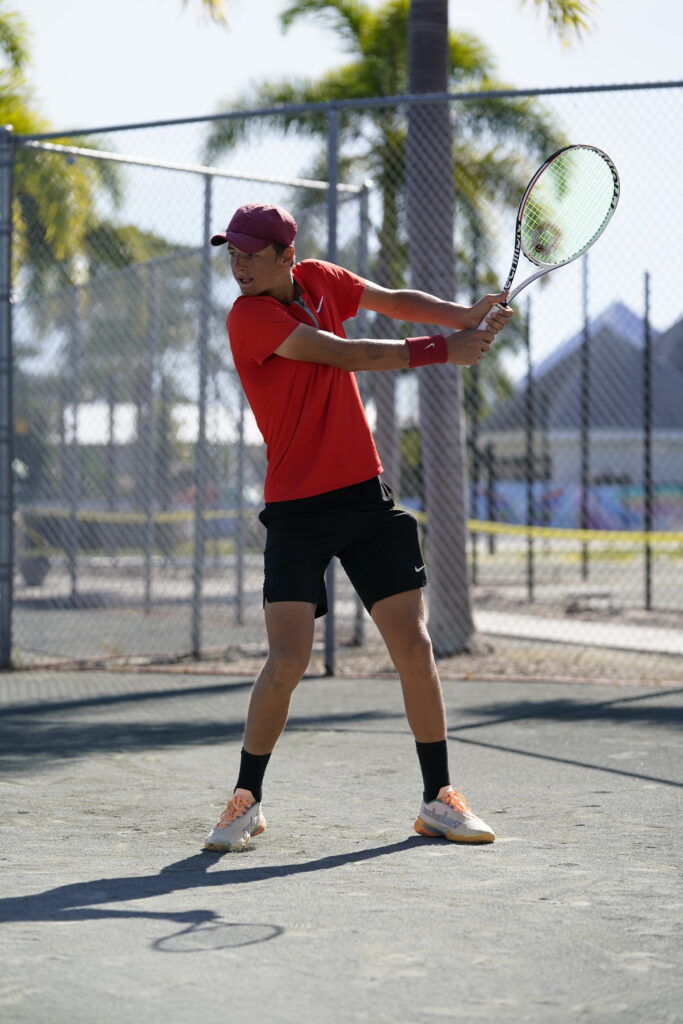
For many families, college tennis is the bridge between junior competition and adult life. It’s a way to keep growing in the sport, earn a degree, and open doors long after the last ball is struck. But understanding how to move from local tournaments and training blocks into a funded place on a college roster can feel overwhelming at first.
This guide breaks the process into clear, manageable steps—so you can plan, prepare, and communicate with confidence as you build a realistic pathway toward your goals.
1. Understand the College Tennis Landscape
Before you can aim at the right targets, you need a basic map of the options:
- NCAA Division I – Typically the most competitive, with bigger athletic budgets and deeper lineups.
- NCAA Division II – Strong level of play, often with a balance of athletics and smaller campus environments.
- NCAA Division III – No athletic money, but often generous academic/merit aid and excellent academics.
- NAIA and Junior College – Great for late developers, international players, or students who need a stepping stone.
Each pathway has different expectations around level, fitness, academics, and recruiting timelines. The “best” choice is the one that fits your game, grades, and personality—not just the logo on the hoodie.
2. Get Clear on Your Current Level and Potential
Coaches are looking for trajectory as much as current performance. Start by taking an honest look at:
- Tournament results and level – Local, regional, national, or international success.
- Style of play – Aggressive baseliner, all-court player, counterpuncher, etc.
- Physical qualities – Speed, endurance, strength, and movement.
- Growth potential – Are you improving year over year, or stuck at the same level?
Ask trusted coaches for a written or verbal evaluation. They can often benchmark your level to typical college positions (e.g., mid-lineup D2, top-lineup D3, developmental D1) and help you aim at schools where you can realistically contribute to the team.
3. Academics: The Other Half of the Equation
Many players underestimate how important academics are to the recruiting process:
- GPA and course rigor – Coaches need to know you’ll be admitted and stay eligible.
- Standardized tests (if required) – Still relevant at some institutions and for certain scholarships.
- Class choices and time management – Show you can balance training, travel, and school.
Good grades expand your options, increase financial aid possibilities, and make you a lower-risk recruit. They also send a powerful message about discipline and responsibility—traits coaches value as highly as big forehands.
4. Build a Strong Tennis Resume and Video
Think of your player profile as your on-court CV. It should clearly present:
- Basic info (name, grad year, height, handedness, citizenship)
- Current and peak rankings/ratings
- Tournament highlights and notable wins
- Playing style and strengths
- Recent coaching and academy environment
Alongside that, create a focused highlight video:
- 3–5 minutes of clean rally footage (both sides)
- Points from match play that show how you compete
- Simple, static camera angles (no fancy edits needed)
Coaches want to see how your game will translate into their lineup—not just a montage of winners.
5. Understand the Recruiting Timeline
While every player’s journey is unique, a typical timeline might look like:
Early high school (9th–10th grade)
- Focus on development: technique, fitness, and mental skills.
- Start tracking results and updating your resume.
- Research different college divisions and programs.
Mid high school (10th–11th grade)
- Begin building a list of target schools (reach, match, and safety).
- Create or update your video and profile.
- Start reaching out to coaches with thoughtful, personalized emails.
Late high school (11th–12th grade)
- Visit campuses (virtually or in person) where possible.
- Maintain communication and send updated results.
- Evaluate offers based on academics, team culture, and long-term fit.
The earlier you understand this rhythm, the more calmly and strategically you can move through each step.
6. Communicating With Coaches the Right Way
Recruiting is a relationship. Coaches want to hear from students who:
- Show genuine interest in their program (not a copy-paste email).
- Understand where they might fit in the lineup.
- Communicate clearly and professionally.
- Follow up respectfully with new results, videos, or academic updates.
A strong first email might include:
- Why you’re interested in that specific school
- A brief summary of your tennis level and academics
- A link to your video and resume
- Your upcoming tournament schedule
Families often benefit from guidance on crafting these messages and building a communication plan. If you’d like support shaping your outreach strategy, you can always contact RPS Academies and our team can walk you through it.
7. Training Like a Future College Athlete
College tennis is physically and mentally demanding. To be ready, your training should already resemble a student-athlete’s routine:
- On-court volume – Regular drilling, point-play, and match simulation.
- Strength and conditioning – Age-appropriate programs to build durability.
- Recovery – Sleep, nutrition, mobility, and injury prevention.
- Mental skills – Routines for pressure points, setbacks, and tough practices.
Coaches look for players who not only win, but who love the daily work of developing and competing. Your habits now signal how you’ll handle the challenges of practices, travel weekends, and balancing school demands.
8. Evaluating Offers: Beyond the Numbers
When opportunities start to appear, it’s tempting to focus only on the scholarship percentage or division. Instead, ask:
- Do I connect with the coaching staff and their philosophy?
- Will I have a realistic chance to contribute to the lineup?
- How is the team culture—supportive, competitive, both?
- Does the academic program fit my interests and strengths?
- What does a typical day and week look like in season and off-season?
Remember: you’re choosing a home for the next four years—on and off the court. The right match is where you can grow as a player, student, and person.
9. Common Mistakes to Avoid
Some pitfalls we see again and again:
- Waiting too late to start learning about the process.
- Aiming only at the most famous programs, even if they’re not a true fit.
- Ignoring academics and hoping tennis will cover every gap.
- Sending generic emails to dozens of coaches with no personalization.
- Overplaying tournaments without structured development blocks.
Staying proactive, honest, and realistic from the beginning will give you far more control over your journey.
10. Putting Your Path Together
Your journey to college tennis is a project that blends clear goals, consistent work, and smart choices over several years. As you improve your game, strengthen your academics, and learn to communicate with coaches, you’re building more than a roster spot—you’re building the foundation for your adult life.
If you’d like a structured assessment of where you are now and what needs to happen next, our team is here to help you chart the path that matches your ambitions. Start the conversation and contact us to explore your options and next steps.
Frequently Asked Questions About Your Path to a Tennis Scholarship
1. What level do I need to reach to play college tennis?
There’s no single level that fits every program. Top Division I teams recruit players with strong national or international results, while many excellent D2, D3, NAIA, and junior college programs welcome motivated athletes developing later. A good rule of thumb: if you’re competing regularly, improving year over year, and can hold your own against current college players in practice, there’s likely a level for you. Working with experienced coaches to benchmark your level against different divisions is one of the best ways to target schools realistically.
2. When should I start thinking about the recruiting process?
You don’t need to panic in middle school, but awareness helps. In early high school, focus on development—technique, fitness, and match experience—while slowly learning how college tennis works. By around 10th grade, it’s wise to start building a basic player profile, tracking results, and researching schools. Serious outreach to coaches usually happens between 10th and 12th grades, depending on your development and the rules in your country or governing body. Starting early gives you time to adjust your training and academic choices.
3. How important are grades compared to tennis results?
They’re both important, but strong academics can dramatically expand your options. Good grades help with admissions, eligibility, and financial aid packages. They also signal discipline, time management, and responsibility—traits coaches rely on in student-athletes. A slightly lower-level player with excellent academics may be more recruitable than a stronger player who struggles in school. Ideally, you aim to maximize both, but if you’re currently behind in the classroom, improving your academic habits is one of the fastest ways to strengthen your overall profile.
4. Do I need an agent or recruiting service?
Some families choose to work with agencies or recruiting services, while others navigate the process with the help of coaches and academies. An outside service doesn’t replace the need for strong results, academics, and communication, but it can provide structure and contacts if you don’t know where to start. Before signing anything, research the company’s track record, speak with families they’ve helped, and make sure you understand exactly what they will and won’t do. You should always remain actively involved in the process yourself.
5. What if I don’t get the offer I was hoping for?
It’s normal for your first offers not to match your dream scenario. Instead of seeing that as failure, treat it as feedback about your current profile and market. Some players choose a developmental environment like junior college, then transfer later. Others target slightly different divisions or academic levels and end up thriving in places they hadn’t initially considered. The key is to keep your long-term goals in mind: growth, education, and lifelong opportunities through tennis. There are many paths to achieving those outcomes.